POCUS

Point-of-care ultrasound (POCUS) is an increasingly important clinical tool in family medicine, enhancing bedside diagnosis, clinical decision-making, and patient care across settings. Since 2019, our program has been committed to integrating POCUS into resident education as a core component of training.
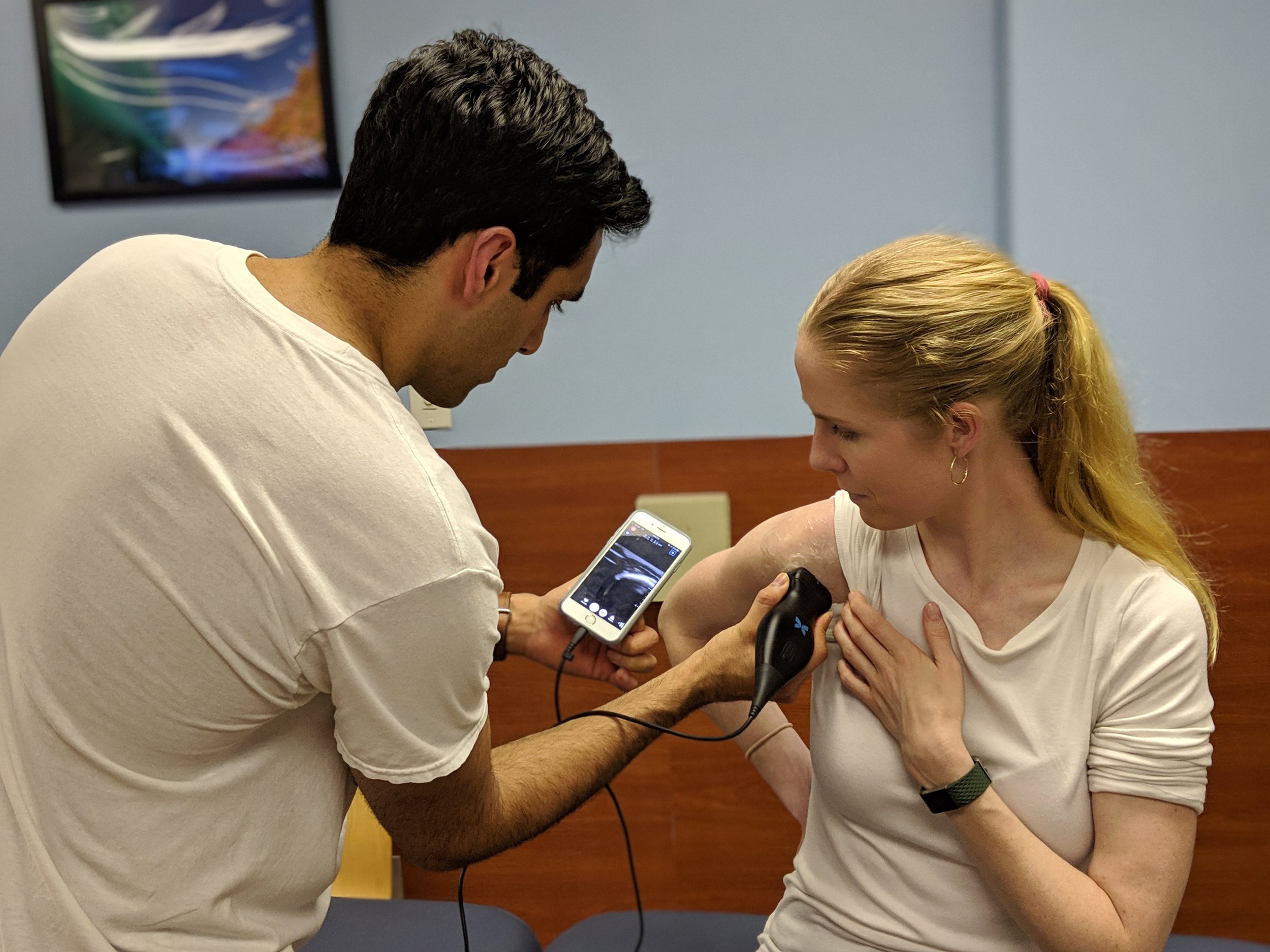
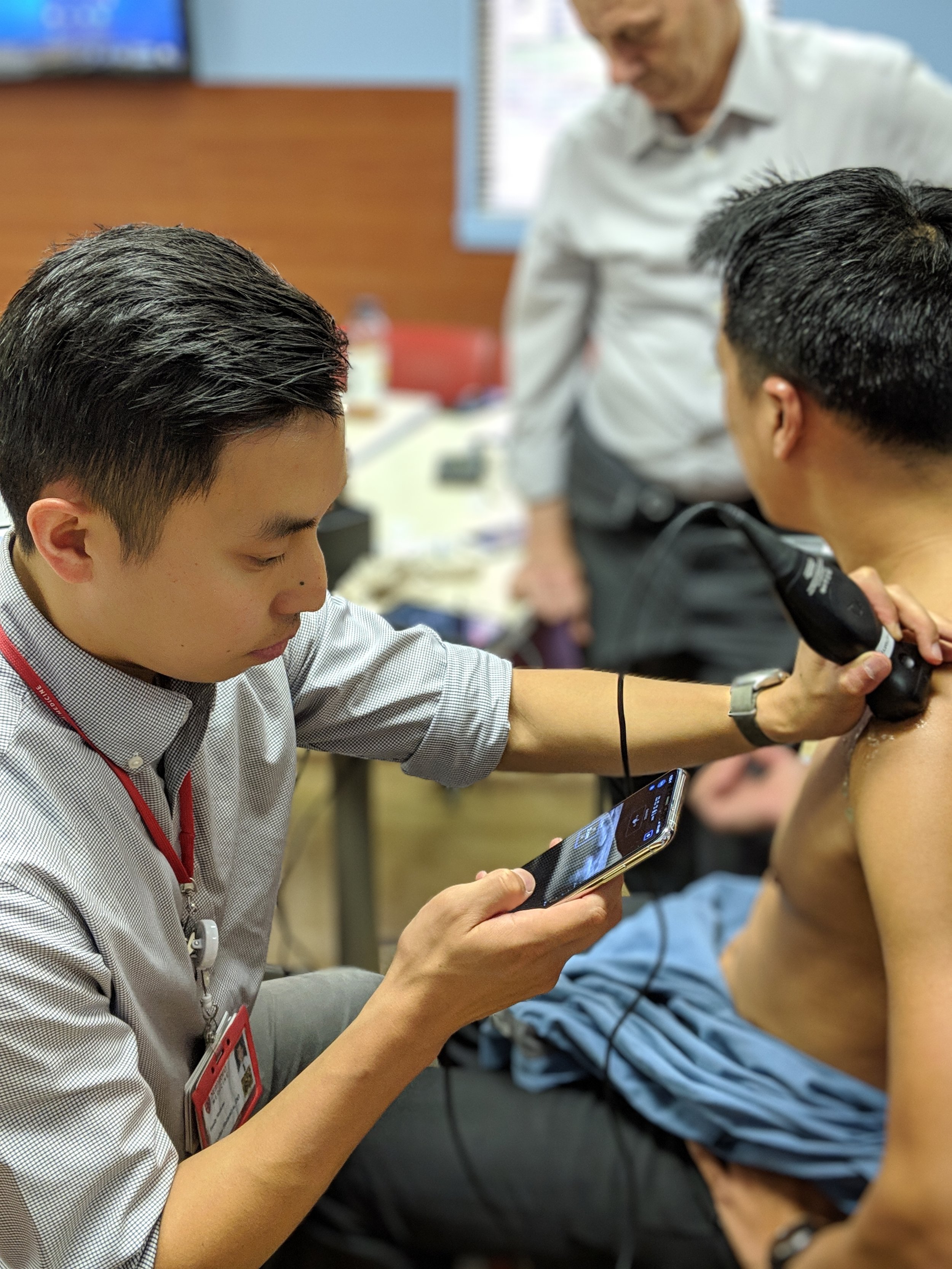
To maximize hands-on experience and reduce logistical barriers, each resident and faculty member has access to use a personal handheld ultrasound device, allowing for seamless integration of POCUS into daily clinical practice.
POCUS Curriculum:
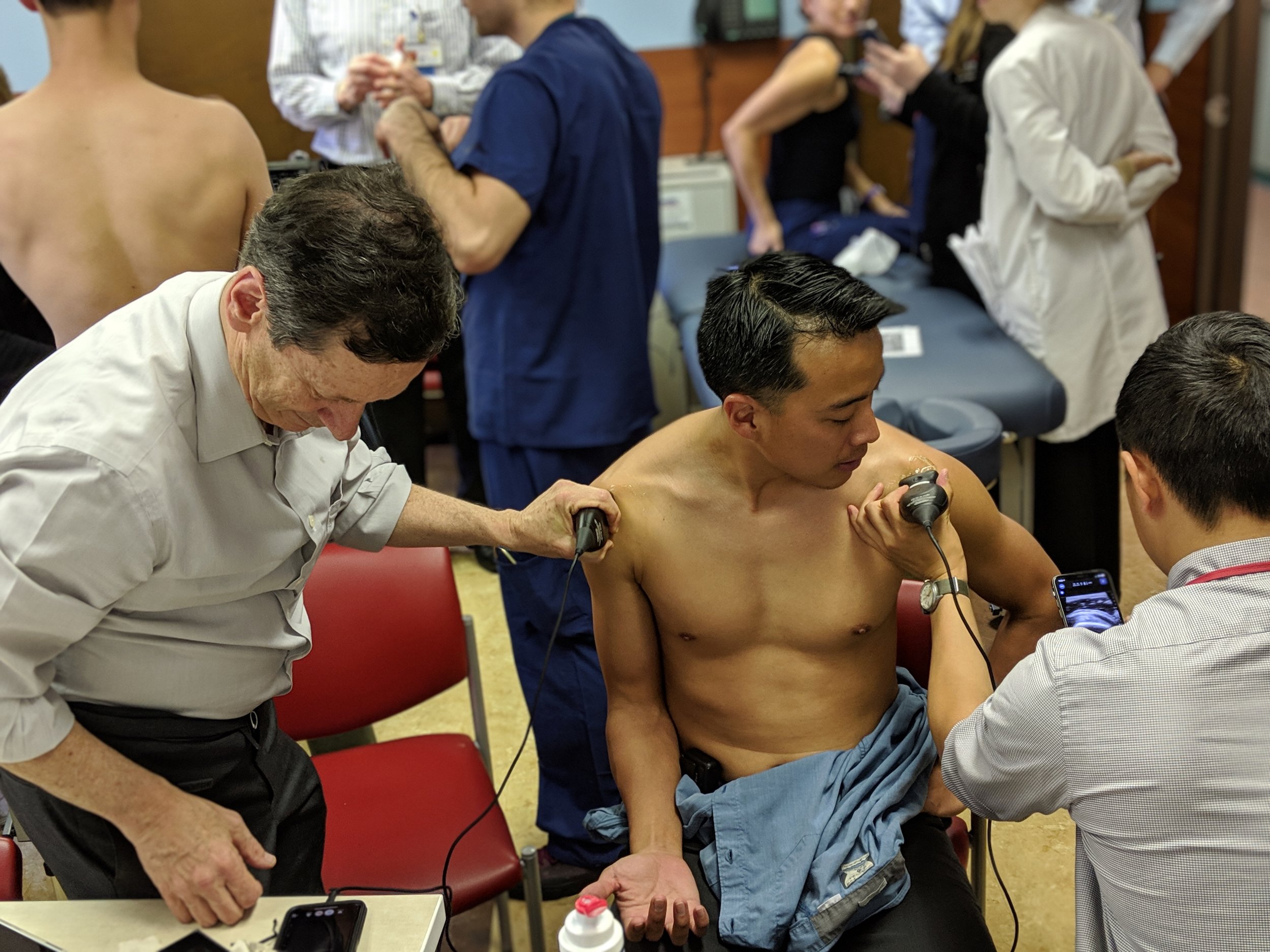
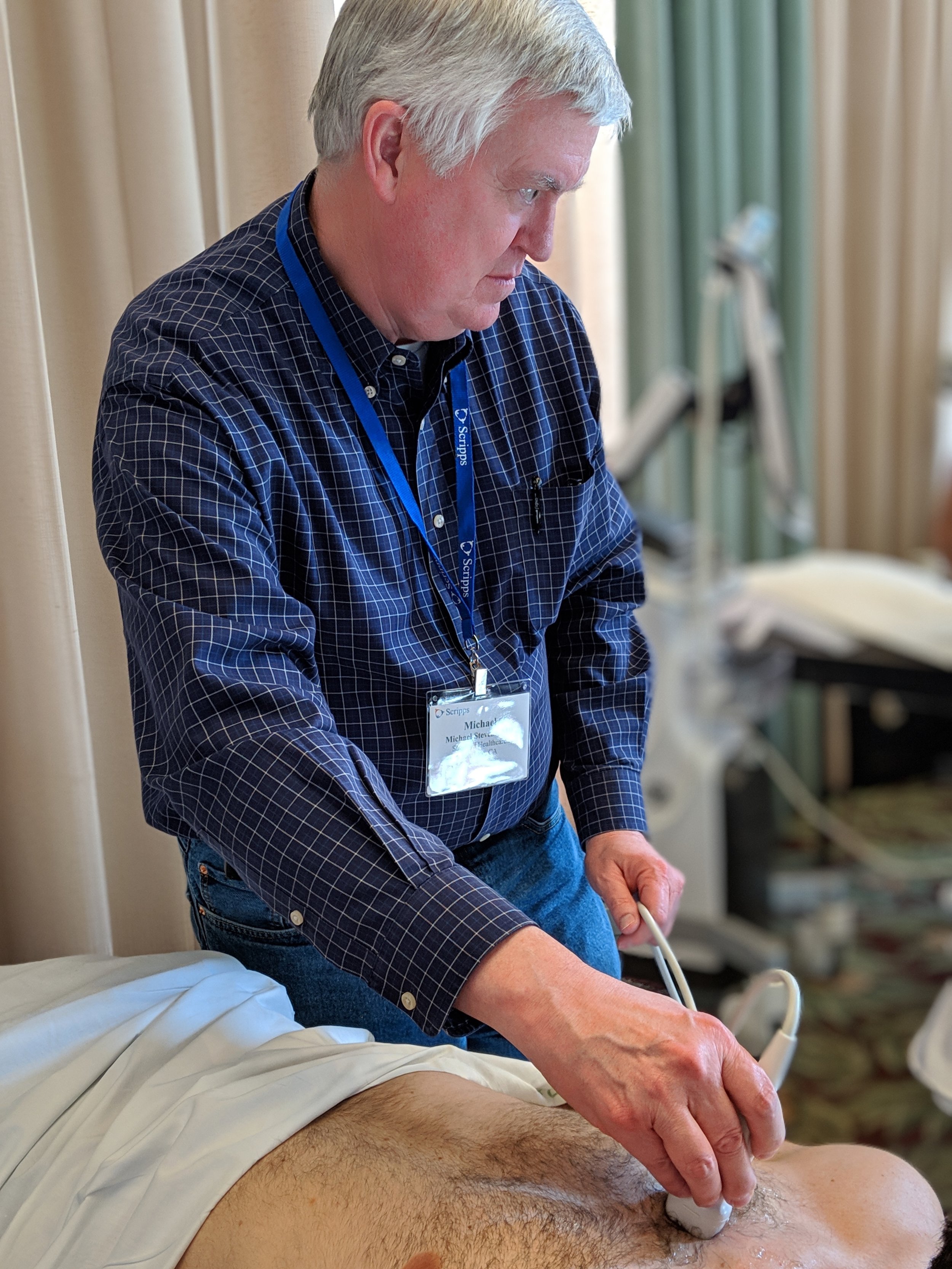
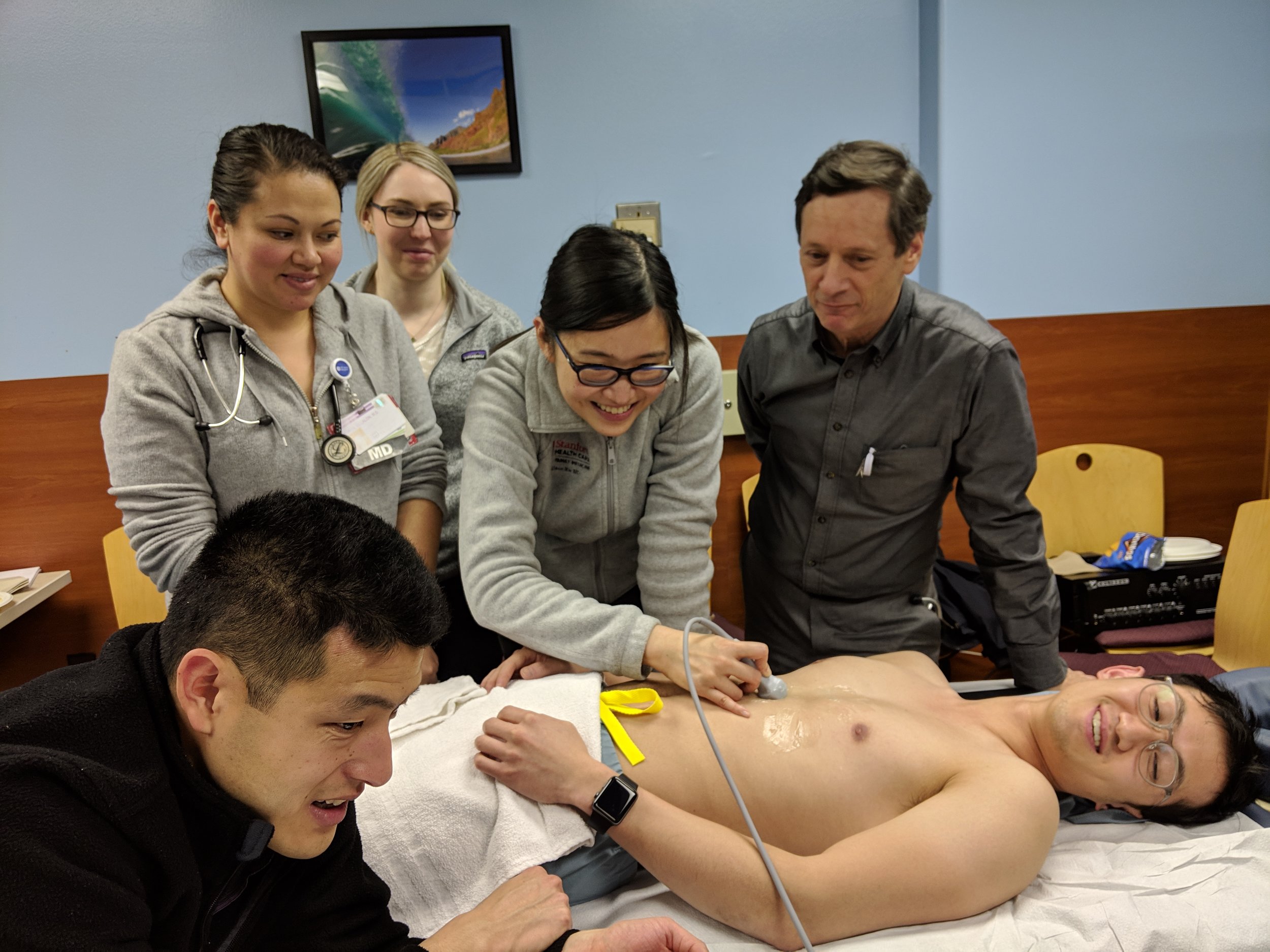
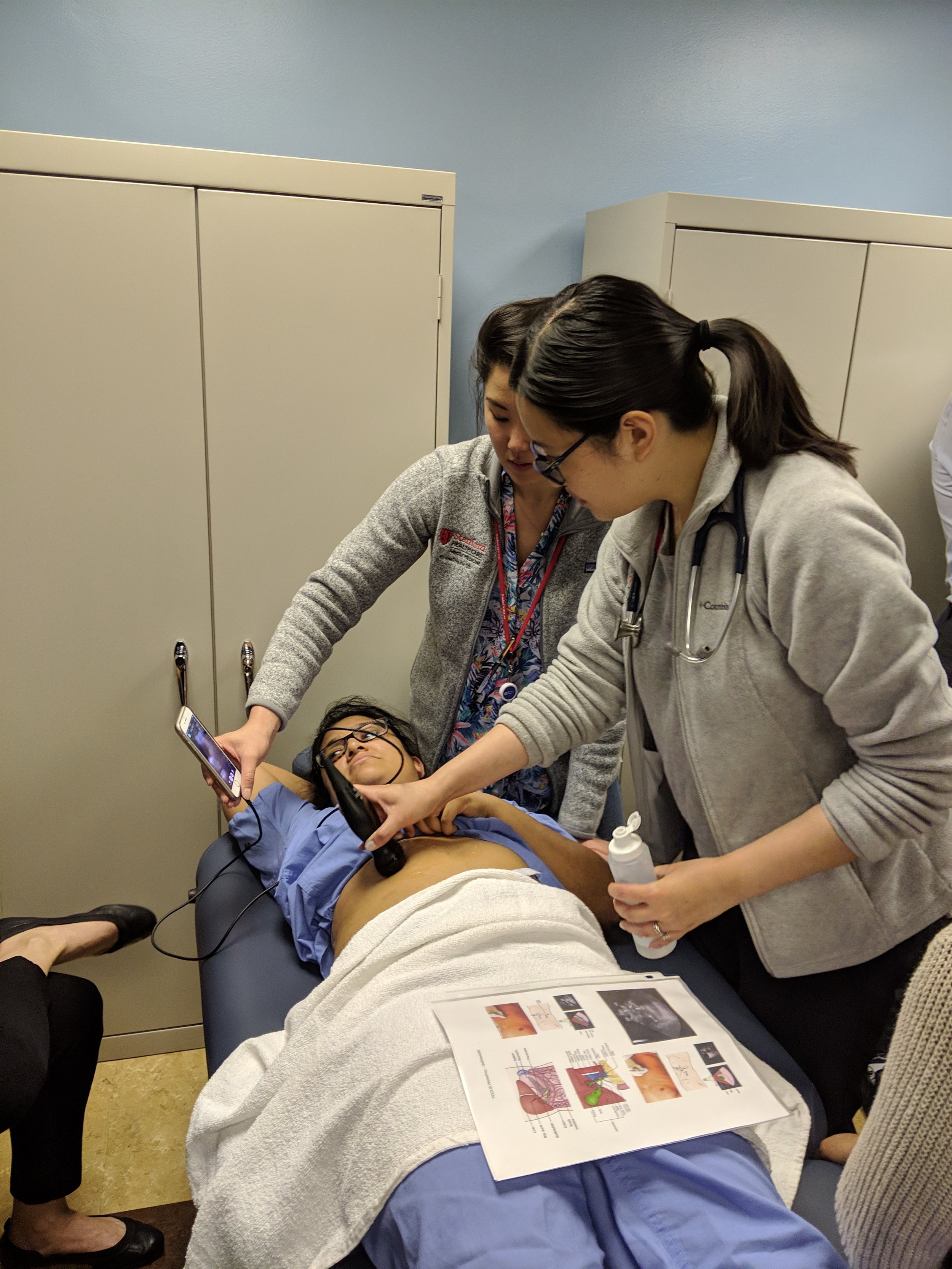
Point-of-care ultrasound (POCUS) is a core component of our curriculum and is integrated longitudinally throughout training. Residents participate in eight 3-hour hands-on workshops each year, paired with self-assessment modules, covering key applications across organ systems (e.g., cardiac, renal, gastrointestinal, DVT, and musculoskeletal).
Residents have access to handheld ultrasound devices and are encouraged to incorporate POCUS into all clinical settings, including the ICU, emergency department, inpatient services, and outpatient clinic. Our goal is to develop POCUS as a practical, bedside extension of the physical exam and clinical reasoning.
In the outpatient setting, POCUS can support more precise and timely care — for example, helping differentiate sinusitis to reduce unnecessary antibiotic use, identifying pneumonia at the point of care, or confirming intrauterine pregnancy to support continuity. In the inpatient setting, residents use POCUS to guide management decisions, such as assessing volume status in heart failure or identifying right ventricular strain in suspected pulmonary embolism.
Residents regularly apply these skills in meaningful ways — for instance, one resident identified a retinal detachment in a patient initially presenting for stroke evaluation with visual loss, enabling urgent ophthalmologic intervention.