
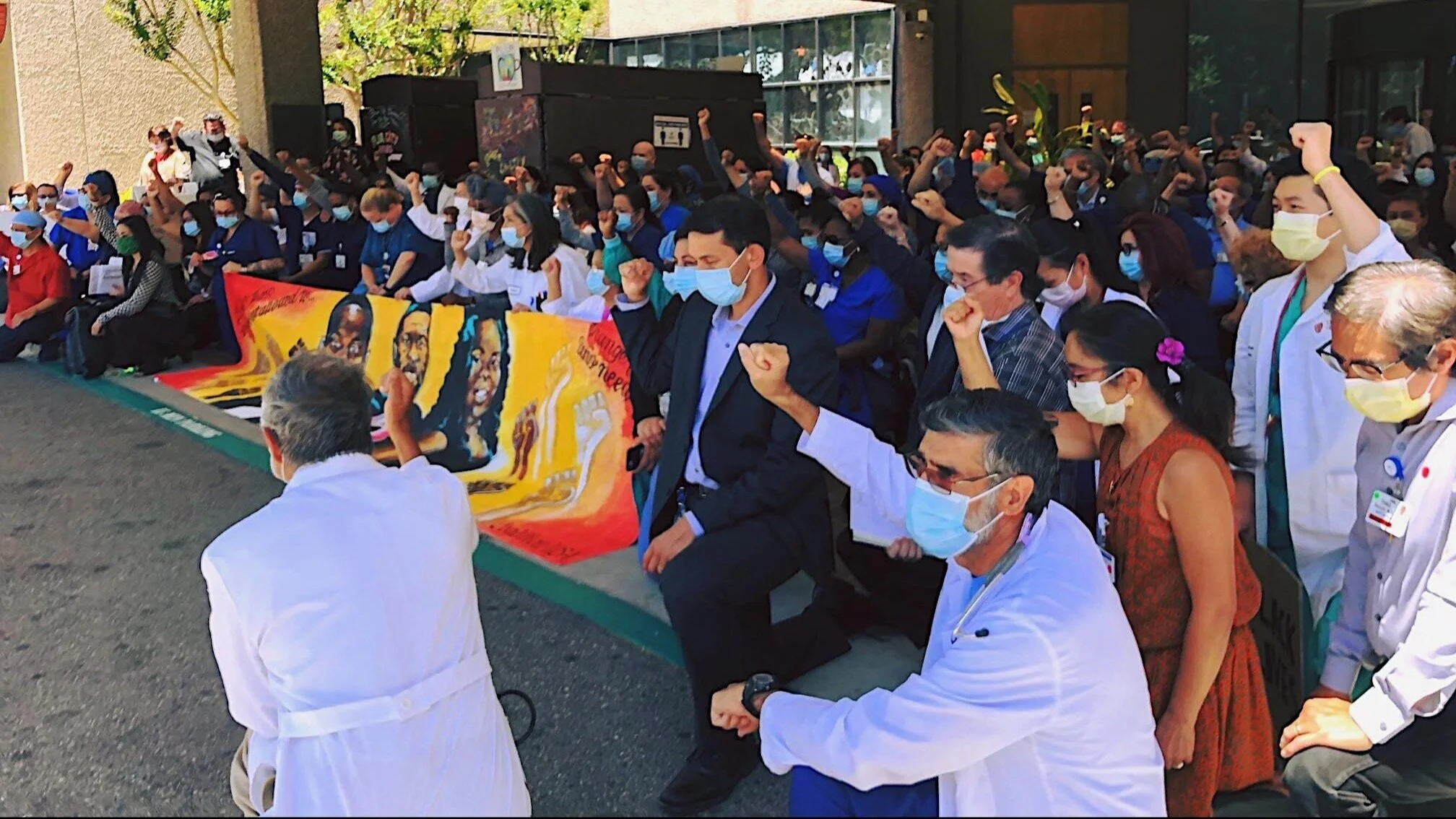
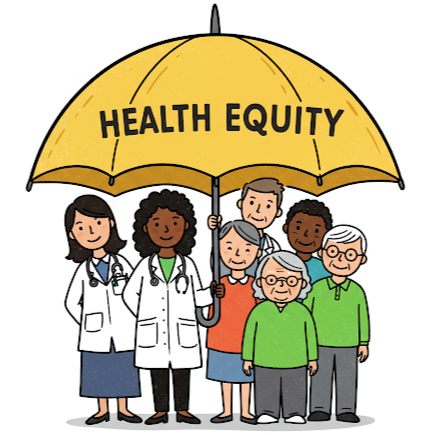
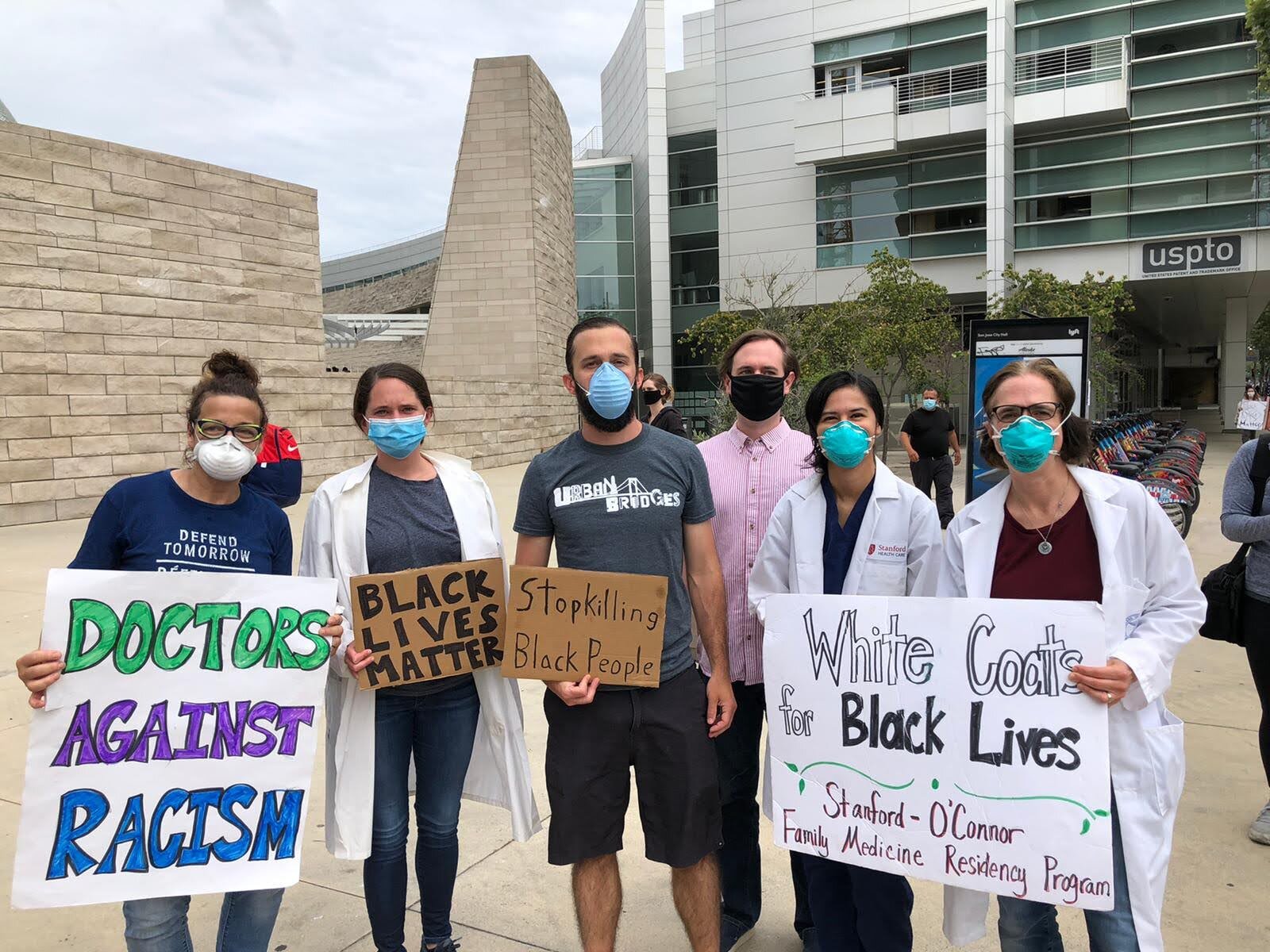
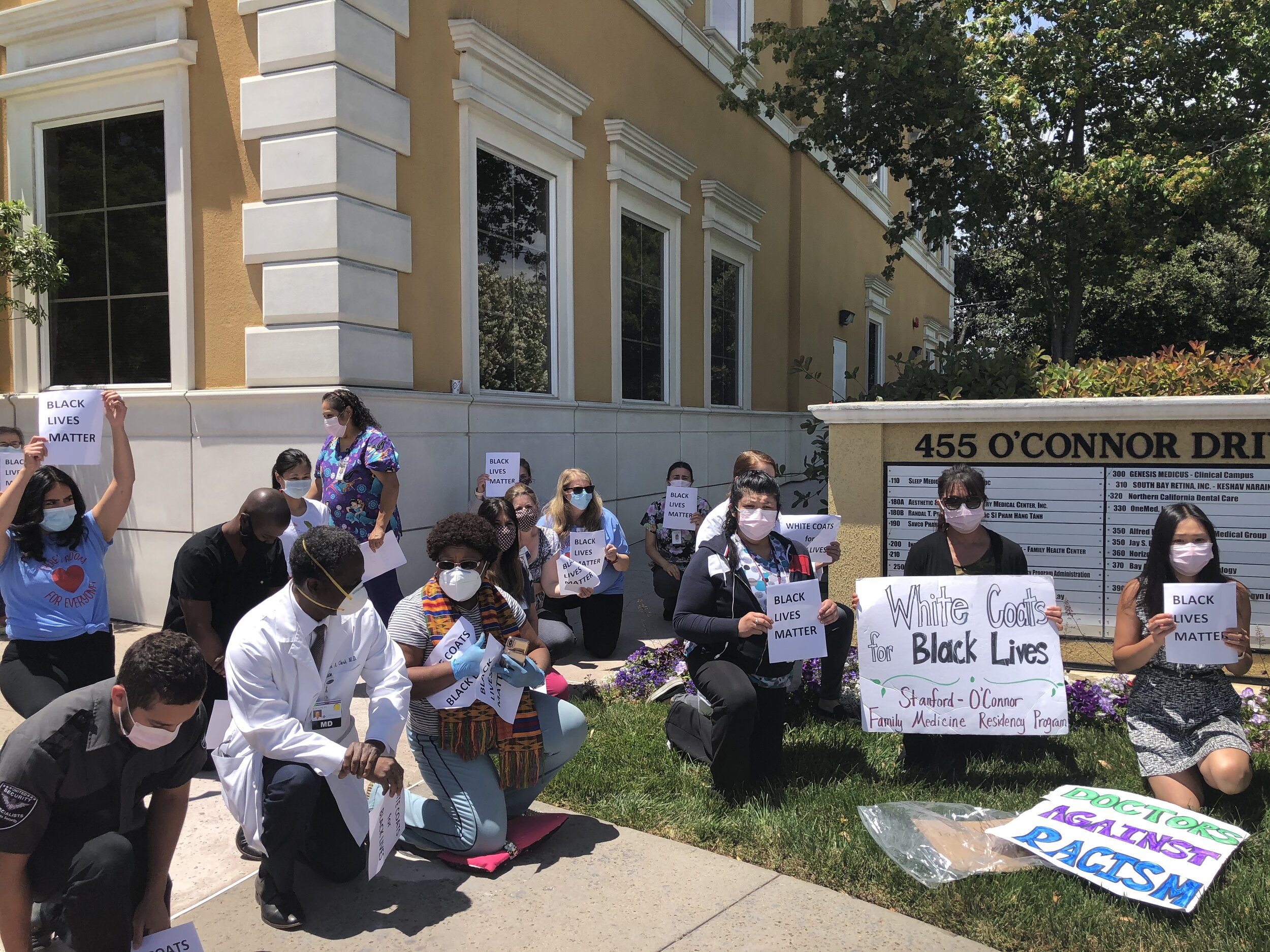
The principles of justice, equity, diversity, and inclusion serve as the bedrock of high-quality, evidence-based medicine. Our Health Equity 2.0 Pathway is rooted in the understanding — supported by both academic research and direct clinical practice — that providing culturally responsive and inclusive care is essential for improving patient outcomes, fostering deeper trust, and actively closing the gap on enduring health disparities.
Our Health Equity 2.0 Pathway expands upon this core mission. By developing a dedicated cohort of community-focused physicians and advocates for systemic change, we ensure our graduates are both clinically proficient and empowered to champion justice across the broader healthcare landscape.
Health Equity 2.0 Curriculum
Participants in this pathway are mentored toward mastery across the following domains, culminating in a scholarly capstone initiative focused on one of these primary foundational pillars:
Cultivating Strategic Change Agents for Equity: Physicians-in-training will acquire the methodologies and competencies necessary to recognize and transform the institutional barriers within the medical landscapes where they serve.
Ethical Community Engagement and Cultural Humility: Physicians-in-training will foster deep, respectful alliances with diverse populations through a framework of cultural humility. We prioritize collaborative listening and reciprocal learning, honoring the agency and unique expertise of community members as the primary drivers of sustainable healthcare progress.
To Advance Personal Anti-Racism Practice
Residents will reflect on their own growth and identity development as physicians challenging systems of oppression in clinical practice and beyond.
Participants in this pathway will work towards these pillars through the following activities:
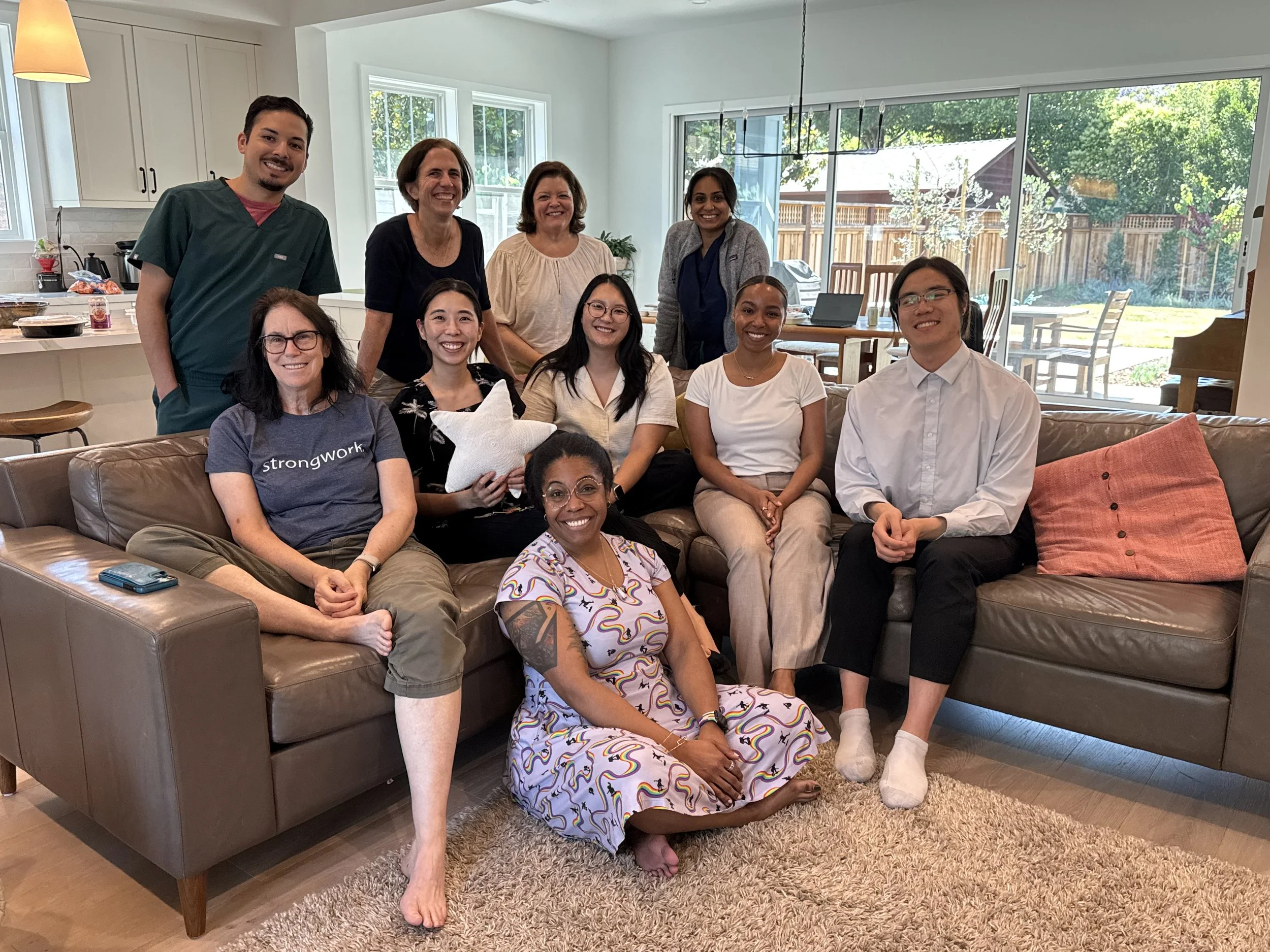
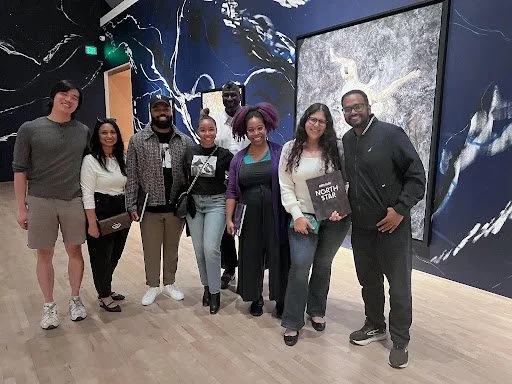
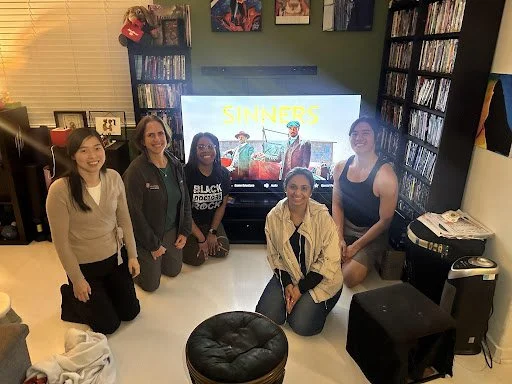
Quarterly Health Equity Social Engagements (e.g. review and discussion of Bad Bunny’s Half-time show, North Star Art Exhibit discussion with the artist)
Clinical Integration reflection on how the JEDI curriculum will shape our personal clinical practice
Health Equity Committee GEMs – Every resident will lead at least one educational session, such as journal clubs and population-based care didactic sessions, to address a health equity
Capstone Project — Each resident will complete a culminating project aligned with one of the three pathway pillars with beyond-minimum depth of engagement in that area. The project must discuss the physician’s intent to integrate learned principles into their clinical practice.
![HEqRetreat_05222026_Selfie[519916].jpg](https://images.squarespace-cdn.com/content/v1/57807960579fb375af556cd2/1781132140170-F97N21NYIQ6KGIKMQ7QP/HEqRetreat_05222026_Selfie%5B519916%5D.jpg)